What Parents Should Do During Practice Drives with Their Teen
One of the questions parents ask me most is:
"What should we be doing between behind-the-wheel lessons?"
My answer is always the same...
Keep driving.
Every drive is another opportunity to build confidence, reinforce safe habits, and prepare for the next lesson.
One thing I've noticed over the years is that many families think practice sessions need to be an hour or two long. They don't.
Short drives move the needle.
There is real value in putting your new driver behind the wheel for everyday trips to school, practice, work, or the grocery store. Those short drives build experience, reinforce safe habits, and fit into a busy family schedule without much planning.
The good news is that it doesn't have to be complicated. A few simple habits can make those everyday drives even more valuable.
Start Every Drive with a Simple Goal
Here's one simple change that can help make practice drives less stressful and more enjoyable—for both you and your teen.
Before you leave the driveway, decide on one skill to work on.
It sounds simple, but it really works. When your teen knows what they're working on before the drive begins, it's easier to stay focused, build confidence, and recognize the progress they're making.
Maybe today's goal is looking farther ahead. Tomorrow it might be making smoother stops. Another day could focus on staying centered in the lane, making better right turns, or looking left and right at intersections.
Remember, you don't have to fix everything today. If your teen finishes the drive a little better at one skill than when they started, that's a successful drive.
As that skill becomes more comfortable, choose another one. Before long, those individual skills begin working together, and driving starts to feel more natural.
Let Your Teen Do the Thinking
New drivers naturally spend most of their attention learning how to control the car. They're thinking about the steering wheel, the pedals, staying in their lane, and remembering everything they're supposed to do. As a result, much of their focus stays inside the car instead of on what's happening farther down the road.
Experienced drivers are different. They no longer have to think about controlling the vehicle because those skills have become automatic. That allows them to spend more of their attention looking farther down the road, recognizing developing situations, and planning ahead.
That's one of the most important reasons you're in the passenger seat.
As the supervising driver, you have two jobs: teaching and safety. Your experience allows you to recognize situations that may be challenging for a new driver before your teen does. If you see something ahead that could become unsafe or is likely to overwhelm your teen, step in early and help. Safety always comes first.
When the situation isn't urgent, stick to the plan and keep your conversations focused on the skill you're practicing that day.
For example, if today's goal is turning, begin the conversation before you reach the intersection.
Ask questions like:
- Is this a wide turn or a tight turn?
- Which lane is your assigned lane?
- Think about your hands. Are they ready to flow through the turn?
- If you don't have to stop before the turn, how will you manage your speed as you enter and exit the turn?
These questions do more than check your teen's knowledge—they teach them how to think ahead.
By asking questions before they reach the situation, you're helping your teen shift their attention from simply controlling the car to recognizing what's coming next. Their brain has time to process the situation before they get there, making it easier to manage and helping them make better decisions.
Over time, they'll begin asking themselves these same questions automatically. That's when they're no longer just learning to drive—they're learning to think.
Encourage Progress, Not Perfection
It's easy to notice mistakes when your teen is driving. The challenge is not trying to fix all of them at once.
No driver improves by thinking about ten different things at the same time. If today's goal is smoother turns, keep coming back to smoother turns. If today's goal is looking farther ahead, keep bringing their attention back to looking farther ahead.
When the drive is over, don't start with everything that went wrong. Start by asking, "What do you think you did well today?" Then make a plan for what to focus on during the next drive.
Learning to drive isn't about getting everything right every time. It's about making a little progress every drive.
Practice Makes Progress
Real progress doesn't happen in just six hours behind the wheel. It happens every time your teen gets another opportunity to drive.
You don't need to set aside hours for driving practice. Some of the best learning happens during everyday trips. Heading to the grocery store? Let your teen drive. Running an errand? Put them behind the wheel. Driving to practice or a family event? Let them do the driving.
Each drive reinforces the habits your teen is learning during their behind-the-wheel lessons. The more opportunities they have to drive, the more comfortable and confident they'll become.
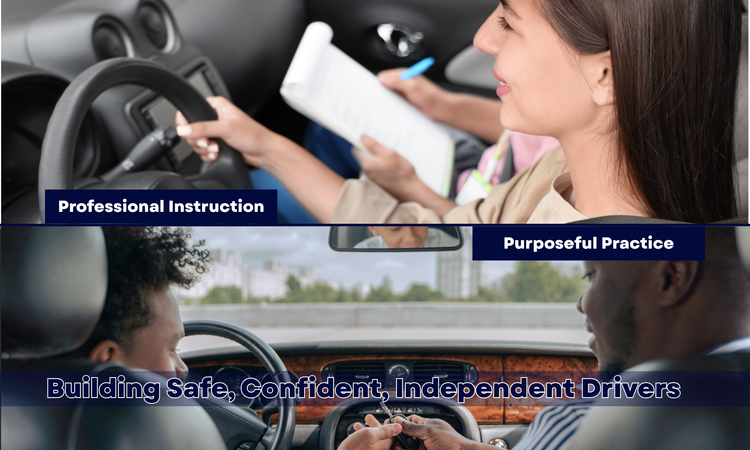
Behind-the-wheel lessons provide the foundation. Regular practice builds confidence. Together they create safe, confident, independent drivers.
Continue Reading: When Should Teens Start Behind-the-Wheel Lessons in Minnesota?
https://blog.readysetdrivemn.com/when-should-teens-start-behind-the-wheel-lessons-in-minnesota/
One Drive at a Time
Helping your teen learn to drive doesn't have to mean turning every drive into a driving lesson.
Give each drive a simple goal. Ask questions that help your teen think ahead. Recognize the progress they're making. Most importantly, keep putting them in the driver's seat.
There will be good drives and frustrating drives along the way. That's part of learning. You don't have to fix everything at once, and your teen doesn't have to become a great driver overnight.
Keep working on the little things. Keep building good habits. Keep moving forward.
Confidence grows one drive at a time.